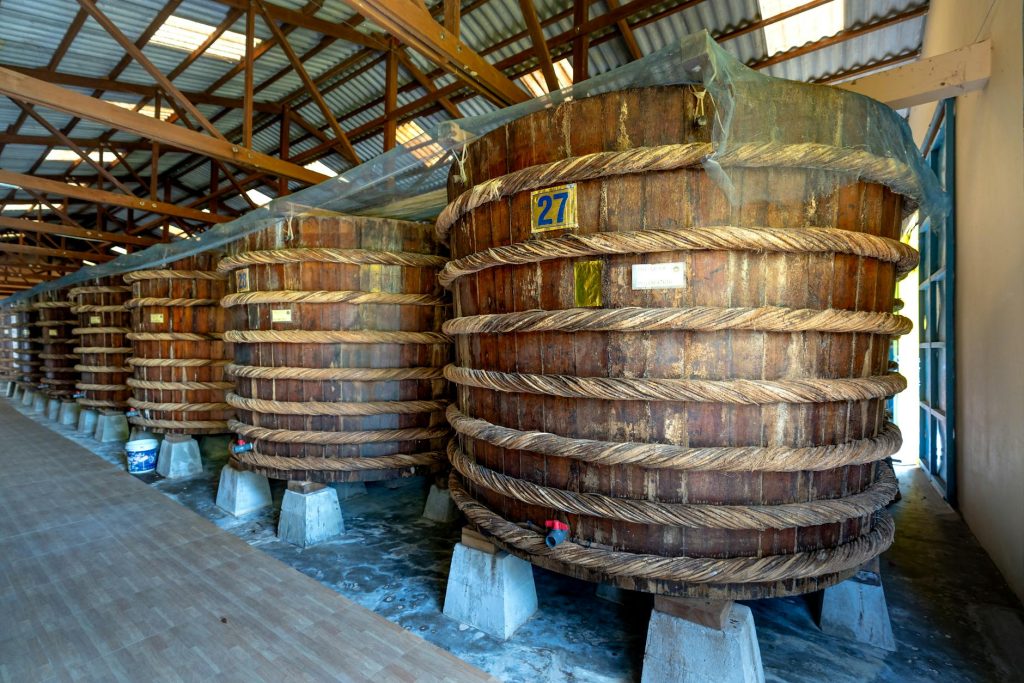
According to Vinetur, the global bulk wine market has seen a marked slowdown through April and into early May, primarily due to escalating costs and economic uncertainty linked to the ongoing conflict in Iran. This trend has compounded an existing buyer hesitance that has persisted for several months, as highlighted in the May 2026 market report by Ciatti Global Wine & Grape Brokers.
The report indicates that many producers are grappling with increased expenses related to fuel, transportation, and fertilizer. Additionally, inflation and rising interest rates in various countries have made buyers more cautious, particularly as inventories remain high and demand continues to lag.
Ciatti notes that the 2026 harvests in the Southern Hemisphere are now complete, with new wines beginning to emerge. The upcoming weeks will be crucial in determining the level of demand as these wines hit the market and pricing strategies are established, which will ultimately influence the activity of the 2026 buying season.
The report also references the International Organisation of Vine and Wine, which forecasts global wine production for 2025 at 227 million hectoliters, reflecting a modest increase of just 0.6% from 2024. This follows a notably small harvest in 2024, the lowest recorded since 1961. While smaller harvests have helped to alleviate some inventory pressures and increase grape and bulk wine prices in certain markets, overall consumption continues to decline.
The OIV estimates a 2.7% decrease in global wine consumption for 2025 compared to 2024, marking a 14% drop from 2018 levels. Traditional wine-drinking nations have all reported declines, with Portugal being a notable exception, experiencing a 5.6% increase.
As a result of these dynamics, retailers are facing less pressure to secure supplies, and both distributors and retailers are becoming increasingly price-sensitive. In Spain, suppliers must recognize that buyers have alternatives in the global market and are becoming adept at leveraging them.
Moreover, producers are experimenting with offerings to align with evolving consumer preferences, including a rise in low- and no-alcohol wines and wine-based ready-to-drink products, although these remain niche segments compared to spirits and malt beverages.
In retail environments, consumers in some markets are witnessing lower prices as premium wines are redirected into bulk channels, while private-label and discounted brands gain shelf space. Ciatti cautions that these lower prices, coupled with reduced sales volumes, may not be sustainable for many wineries or growers.