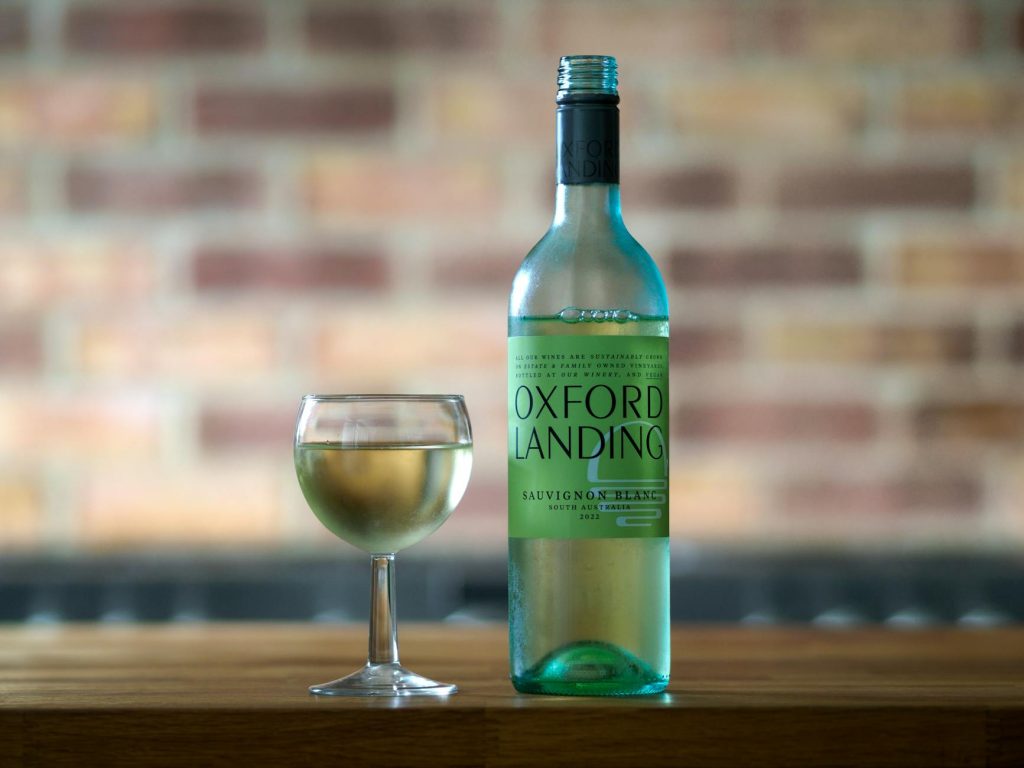
According to The Drinks Business, the long-awaited trade agreement between Australia and the European Union is poised to significantly alter the commercial dynamics for Australian wine exports. The elimination of tariffs and regulatory adjustments are expected to enhance the competitiveness of Australian wines in one of the globe’s largest wine markets.
Industry experts believe this agreement arrives at a crucial time, as producers are in search of stable, high-value markets amidst a backdrop of global oversupply and fluctuating trade conditions. After eight years of negotiations, the free trade pact will abolish import tariffs on Australian wine entering the EU, a significant milestone for exporters.
Negotiations had previously stalled in 2023 due to disagreements over agricultural quotas, particularly regarding Canberra’s request for a low tariff quota on over 40,000 tonnes of beef annually. However, the renewed agreement comes at a time of increased trade disruption, with both partners facing tariffs imposed by the United States, which has provided fresh motivation to finalize a deal.
The removal of EU import duties on Australian wine is viewed as a commercially significant outcome for the wine sector. Lee McLean, CEO of Australian Grape and Wine, emphasized that this tariff removal will directly benefit exporters and bolster the long-term competitiveness of Australian wine in a major global market.
According to estimates from Australian Grape and Wine, this tariff change could result in approximately AUD $14.5 million in annual savings for the sector. Europe already plays a pivotal role in Australia’s export strategy, being the largest export region by volume. In 2025, 245 Australian wine exporters shipped 76 million litres of wine valued at $143 million to EU member markets.
However, entering the EU market remains challenging due to its status as a leading producer and consumer of wine. The EU consumed around 1.2 billion nine-litre cases of wine in 2024, accounting for roughly half of global consumption, with over 90 percent of the wine consumed being produced domestically, primarily in Italy, France, Spain, and Germany.
Despite this dominance, imported wines still hold a significant niche in the market.