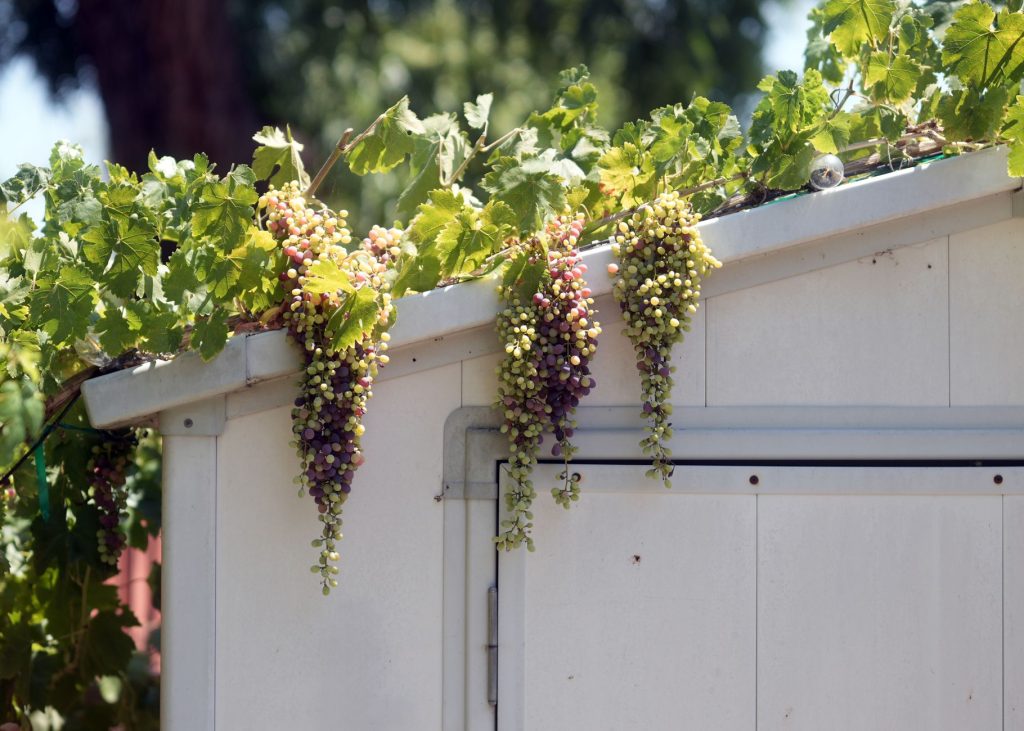
A groundbreaking study published in Frontiers in Climate reveals that climate change and the threat of wildfires are poised to transform the landscape of wine grape cultivation in California. This research indicates that while some of the state’s renowned wine regions may see a decline in their suitability for vineyards, northern and coastal areas could emerge as new hotspots for premium wine production.
The study meticulously analyzed three critical factors: the future climate conditions for vineyards, the potential impact on wine quality, and the increasing frequency of extreme fire-weather days. The authors emphasize that focusing solely on temperature and rainfall fails to provide a comprehensive understanding of the challenges faced by California’s wine regions, where wildfires have become a significant business risk.
California is responsible for approximately 80% of the wine produced in the United States, making the implications of these findings far-reaching. For growers, wineries, and investors, this research can inform crucial decisions regarding vineyard locations, grape varieties, and expansion strategies in the face of rising fire hazards.
The study’s focus on California is particularly relevant due to its unique combination of a Mediterranean climate that supports high-quality wine production and some of the most fire-prone landscapes globally. Recent years have seen devastating fires impact Napa, Sonoma, and Mendocino, highlighting the multifaceted risks to vineyards, which include direct fire damage, smoke exposure, soil degradation, and broader economic repercussions.
To project future changes, the researchers employed a species distribution model based on 379 vineyard locations associated with operational wineries in California. They integrated downscaled climate projections from five global climate models, analyzing historical data from 1976 to 2005, mid-century projections from 2040 to 2069, and late-century forecasts from 2070 to 2099. The model demonstrated robust performance, particularly under high-emissions scenarios, indicating a significant decline in vineyard suitability as warming progresses.