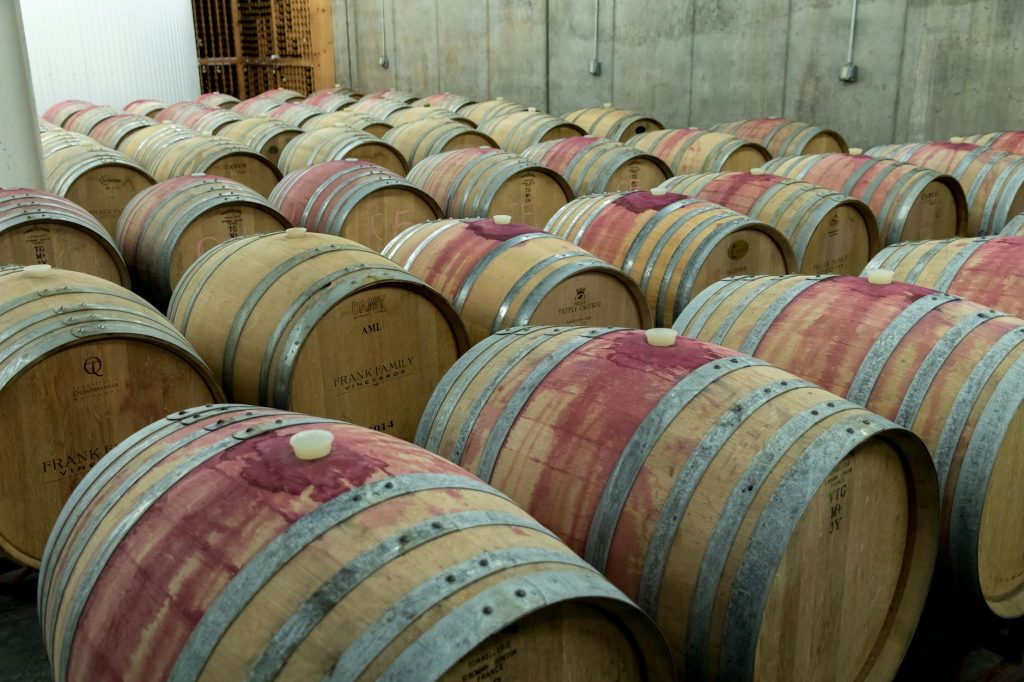
The global wine industry is navigating one of its most complex periods in modern history. While headline valuations paint an optimistic picture — projections place the global wine market at $447 billion by 2033, growing at a compound annual growth rate of 4.5% — the reality beneath the numbers reveals a deeply fragmented landscape. Consumption patterns are diverging across generations and geographies, new tariffs are reshaping century-old trade routes, and an entire generation of drinkers is redefining its relationship with alcohol.
The tension between growing market value and declining volume consumption defines the central paradox of wine in 2026. Understanding how this paradox resolves — and who benefits — is the essential question facing every producer, importer, and retailer in the industry today.
The European Paradox: Growth in Value, Decline in Volume
Europe remains the undisputed heart of global wine culture, with a market projected to reach USD 170.88 billion by 2034, growing at a CAGR of 5.47%. France leads, followed by Italy and Spain — the triumvirate that collectively produces more wine than the rest of the world combined.
Yet beneath these impressive valuations lies an uncomfortable truth: Europeans are drinking less wine every year. EU wine consumption is declining by approximately 0.9% annually, a trend that the latest EU Agricultural Outlook expects to continue through at least 2035. Per capita consumption is projected to drop to just 19.3 liters — a historic low for a continent that has built its cultural identity around wine for millennia.
The decline is not uniform. Premium and super-premium segments continue to grow, driven by affluent consumers who drink less frequently but spend significantly more per bottle. Meanwhile, the everyday table wine segment — the backbone of European wine culture for generations — is eroding rapidly. France’s vin de table tradition, once as routine as bread at dinner, is becoming a relic. Younger Europeans are choosing cocktails, craft beer, or nothing at all.
Production is following consumption downward. The EU has invested hundreds of millions in vineyard grubbing-up schemes, paying farmers to remove vines. In Bordeaux alone, over 8,000 hectares have been earmarked for removal. This is not a temporary correction — it is a structural transformation of the European wine landscape.
The Greek Crisis: Quality Up, Sales Down
Greece offers perhaps the starkest illustration of the industry’s contradictions. The country’s wine sector has never produced better wines. International recognition of indigenous varieties — Assyrtiko from Santorini, Xinomavro from Naoussa, Agiorgitiko from Nemea, Moschofilero from Mantinia — has elevated Greek wine from curiosity to serious contender on the global stage. Critics and sommeliers routinely place top Greek bottles alongside established French and Italian benchmarks.
Yet domestic consumption has fallen sharply. Greek consumers, squeezed by years of economic pressure and influenced by global health trends, are drinking less wine. The shift toward beer, spirits, and non-alcoholic alternatives has been dramatic. Exports have provided a partial buffer, increasing by nearly 7% in recent periods, but this growth has not been sufficient to offset the domestic contraction.
The paradox is painful: Greek wines have never been better in quality, yet they have never been harder to sell at home. For a wine culture that stretches back to Homer and Dionysus, this is not merely an economic challenge — it is a cultural one.
The American Market: Tariffs, Trends, and a New Consumer
The United States surpassed $115 billion in wine sales in 2025, cementing its position as the world’s largest wine market by value. A comprehensive report from BW166 revealed consumer spending reached $115.33 billion, up from $112.48 billion the previous year. America drinks more wine by dollar value than any other country.
However, 15% tariffs on European wines have introduced significant friction. According to analysis by OhBev, European producers — particularly from France, Italy, and Spain — face higher shelf prices that are pushing some consumers toward domestic alternatives or away from wine entirely. Yet American wineries have not captured the expected windfall. Inflation, declining purchasing power, and shifting demographics have created headwinds across the board.
The demographic shift is the real story. Baby Boomers, who drove American wine culture for decades, are aging out. Millennials and Gen Z are not replacing them bottle-for-bottle. Instead, younger Americans drink less frequently, favor experiences over brand loyalty, discover wines through social media rather than wine shops, and show a marked preference for sustainable, organic, and authentic products. They are also significantly more likely to choose non-alcoholic alternatives — a trend that is reshaping retail shelves across the country.
The Zero-Alcohol Revolution
No trend better illustrates the wine industry’s transformation than the explosive growth of 0% alcohol wines and spirits. What began as a niche curiosity — dismissed by traditionalists as a contradiction in terms — has become one of the fastest-growing segments in the broader beverage industry.
The numbers are striking. The global alcoholic beverages market is valued at USD 2.56 trillion, but the non-alcoholic segment within it is growing at multiples of the overall rate. Brands like Torres’ Natureo range, Sober Spirits (offering 0% gin, rum, and whisky alternatives), and Kylie Minogue’s sparkling range have demonstrated that quality non-alcoholic beverages can stand on their own merits.
For traditional wine producers, this represents both threat and opportunity. Those who dismiss the category risk losing relevance with younger consumers. Those who embrace it may discover an entirely new customer base — one that values the ritual and sophistication of wine culture without the alcohol.
New Frontiers: Australia, India, and Shifting Trade Routes
The removal of EU tariffs on Australian wine marks a significant realignment of global trade dynamics. Australian producers — led by powerhouses like Penfolds — stand to gain substantial new access to the European market. After years of being shut out of China (previously Australia’s largest export market), the EU deal offers a critical lifeline and diversification opportunity.
India’s wine market is entering a transformative growth phase. A rapidly expanding middle class, changing social norms around alcohol, and a young population eager for new experiences are driving demand. While volumes remain small by global standards, growth rates are among the highest in the world. Major players, including Pernod Ricard, are actively exploring IPO options for their Indian operations — a clear signal of confidence in the market’s trajectory.
What This Means: The Premiumization Imperative
The resolution of the value-volume paradox has a name: premiumization. Across every major market, consumers are drinking less but spending more per bottle. The days of volume-driven growth are over. The future belongs to producers who can command higher prices through quality, story, provenance, and sustainability credentials.
For Greek wine, this means a dual strategy: strengthening export presence in key markets like the United States, Germany, and the United Kingdom, while simultaneously reinventing the domestic experience. Wine tourism, digital engagement, direct-to-consumer models, and positioning Greek indigenous varieties as world-class alternatives to Burgundy, Barolo, and Napa — these are not optional strategies. They are survival imperatives.
Technology is accelerating this transformation. AI-powered provisioning tools are changing how professionals discover and order wines. Smart search, similarity engines, and instant catalog matching are replacing the phone calls and spreadsheets that defined wine buying for decades. The future of wine commerce is digital, data-driven, and personalized.
The crisis is real. But so is the opportunity. The wine industry has survived phylloxera, prohibition, world wars, and economic depressions. It will survive this transformation too — but the industry that emerges on the other side will look fundamentally different from the one that came before.
The winners will be those who understood the change early enough to act.
This analysis is based on data compiled from multiple industry reports covered by DRINKS.GR, including Coherent Market Insights, IMARC Group, BW166, the EU Agricultural Outlook, and OhBev market analysis. All projections are forward-looking estimates subject to market conditions.
pkv @ DRINKS.gr Editorial · May 2026