The Office of the United States Trade Representative (USTR) has expressed significant concerns regarding the European Union’s labeling regulations for wine and alcoholic beverages in its 2026 National Trade Estimate Report. The report, released on April 14, highlights how these regulations can impose additional costs and delays on American exporters.
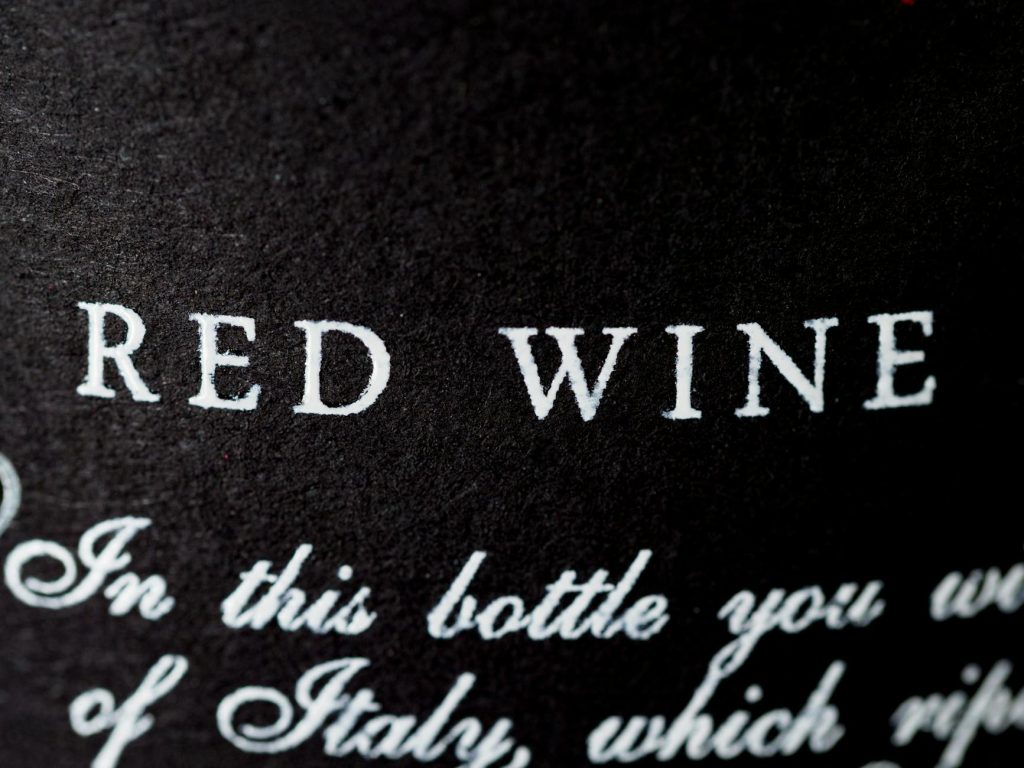
Central to the report is the EU’s wine package, which mandates that producers provide nutritional and ingredient information for their wines sold in Europe. This information can be conveyed via a QR code, rather than being printed directly on the bottle. This requirement, effective since December 8, 2023, applies to all EU member states.
USTR pointed out that these compliance requirements can be particularly burdensome for smaller American wineries, which must modify their labels and packaging to adhere to local regulations. While the EU has not banned U.S. wine imports, the complexities of the labeling system are viewed as a significant trade barrier, potentially inflating administrative costs and complicating market access.
Additionally, the report mentions new health warning labels in Ireland, which require warnings on alcoholic beverages regarding cancer risks and pregnancy. These regulations could further complicate marketing strategies for U.S. wine and spirits in Ireland, adding another layer of regulatory challenges for exporters already navigating EU-wide standards.
As U.S. wine producers seek to expand their presence in Europe — a market known for its high volume of imported wine — these regulatory hurdles could pose significant challenges. Industry advocates argue that even minor changes in labeling can necessitate redesigning packaging, updating supply chains, and revising compliance systems, which can be particularly taxing for smaller wineries that operate on limited production runs.
The USTR’s annual report serves as a tool for identifying foreign barriers that may restrict U.S. exports, especially in the agricultural and food sectors where labeling regulations can influence product placement, shipping logistics, and overall costs.
In conclusion, the evolving landscape of EU wine labeling requirements presents a complex challenge for American exporters, necessitating careful navigation and adaptation to ensure market access.
Source: Vinetur